
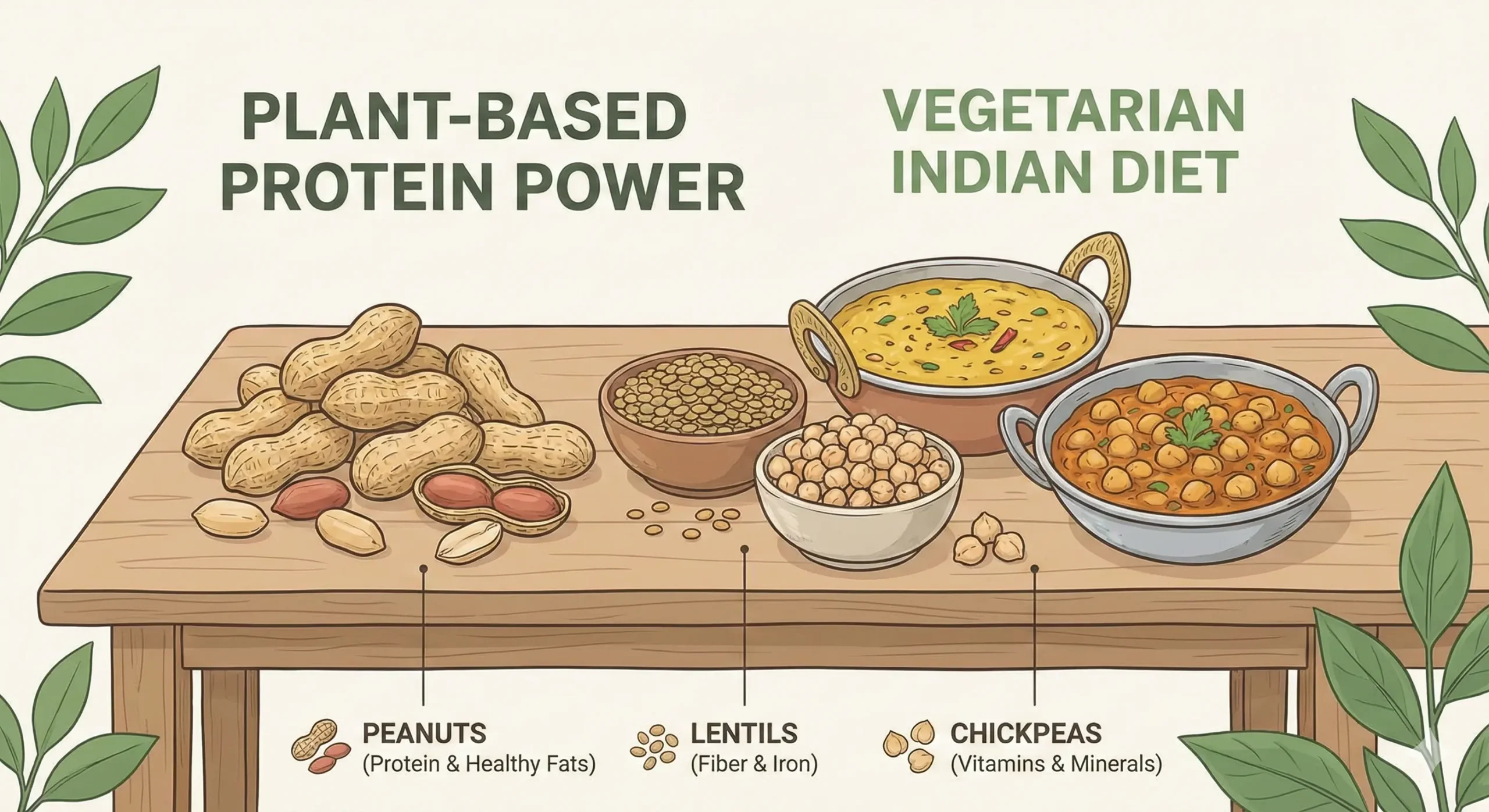
9 Powerful Nutritional Benefits of Peanuts for a Healthy Indian Diet
Peanuts, known as groundnuts or nilakadalai in many parts of India, are one of the most affordable and nutrient-dense foods in the Indian kitchen. From roadside vendors selling roasted peanuts to traditional recipes like peanut chutney, groundnut podi, and peanut ladoo, peanuts have been part of Indian diets for generations.
Despite their everyday presence, peanuts are often underestimated. Many people still associate them only with snacks, overlooking their significant nutritional value and health benefits. In reality, peanuts are a rich source of plant protein, healthy fats, vitamins, minerals, and antioxidants, making them especially important for Vegetarian diets that rely heavily on cereals and plant-based foods.
In this detailed guide, we explore 9 powerful nutritional benefits of peanuts, explain why they are ideal for Indian eating habits, and show how you can include them in your daily meals in a healthy way.
1. Excellent Plant-Based Protein Source
Protein deficiency is common in many Indian diets, particularly among vegetarians. Peanuts help bridge this gap effectively.
Peanuts provide around 25–26 grams of protein per 100 grams, making them one of the best plant-based protein sources available. Unlike many snacks that offer empty calories, peanuts contribute meaningful nutrition that supports:
- Muscle repair and growth
- Tissue maintenance
- Enzyme and hormone production
For Indians who rely on rice, wheat, and millets as staple foods, adding peanuts improves the overall protein quality of meals. Combining peanuts with cereals, such as peanut chutney with dosa or groundnut curry with rice, creates a more balanced amino acid profile.
This makes peanuts especially valuable for:
- Vegetarians and vegans
- Growing children
- Elderly individuals
- Physically active adults
2. Rich Source of Heart-Healthy Fats
Not all fats are unhealthy. Peanuts are rich in monounsaturated and polyunsaturated fats, similar to those found in olive oil.
These healthy fats help:
- Reduce bad cholesterol (LDL)
- Maintain good cholesterol (HDL)
- Support heart health
In India, where heart disease and high cholesterol are rising concerns, replacing fried snacks or refined oils with moderate portions of peanuts can be a smarter dietary choice.
Traditional practices like using groundnut oil for cooking were rooted in this nutritional wisdom. When consumed in controlled quantities, peanuts support cardiovascular health without contributing to unhealthy weight gain.
3. Supports Weight Management Naturally
Contrary to the myth that peanuts cause weight gain, research and dietary experience suggest the opposite when they are eaten in moderation.
Peanuts contain a balanced combination of:
- Protein
- Healthy fats
- Dietary fiber
This trio increases satiety, meaning you feel full for longer. As a result, peanuts help reduce unnecessary snacking and overeating.
For Indians trying to manage weight while eating home-style food, peanuts make an ideal snack when:
- Roasted without excess oil
- Consumed unsalted or lightly salted
- Eaten in controlled portions
A small handful of peanuts between meals can stabilize energy levels and prevent cravings for processed snacks.
4. Helps Maintain Stable Blood Sugar Levels
Managing blood sugar is crucial in India, which has one of the highest rates of diabetes globally.
Peanuts have a low glycaemic index (GI), meaning they do not cause sudden spikes in blood sugar. The combination of fiber, fat, and protein slows down carbohydrate absorption, helping maintain steady glucose levels.
Including peanuts in meals can:
- Improve post-meal blood sugar response
- Reduce insulin spikes
- Support long-term blood sugar control
For people with diabetes or pre-diabetes, peanuts can be safely included as part of a balanced diet when portion sizes are monitored.
5. Packed with Essential Vitamins and Minerals
Peanuts are a natural source of several essential micronutrients required for daily functioning.
Key nutrients found in peanuts include:
- Vitamin E – supports skin health and immunity
- Niacin (Vitamin B3) – aids brain function and metabolism
- Folate – important for cell growth and pregnancy nutrition
- Magnesium – supports nerve and muscle function
- Phosphorus – strengthens bones and teeth
In Indian diets where micronutrient deficiencies are common, especially among women and children, peanuts provide affordable and accessible nutrition.
6. Boosts Brain Health and Cognitive Function
Peanuts are often referred to as “brain food” due to their niacin content and healthy fats.
Niacin helps:
- Improve blood circulation to the brain
- Support cognitive function
- Reduce the risk of age-related cognitive decline
The presence of healthy fats further supports brain cell structure and communication. For students, working professionals, and the elderly, peanuts can play a supportive role in maintaining mental alertness and memory.
Traditional snacks like peanut chikki or groundnut sundal, when prepared with minimal sugar, offer both energy and brain-supportive nutrients.
7. Supports Gut Health Through Dietary Fiber
Digestive health is central to overall well-being, and peanuts contribute meaningfully in this area.
Peanuts contain both soluble and insoluble fiber, which:
- Improves digestion
- Prevents constipation
- Supports beneficial gut bacteria
In Indian diets that may lack adequate fiber due to refined grains and processed foods, peanuts help restore balance when included regularly.
Healthy digestion also improves nutrient absorption, energy levels, and immunity.
8. Strengthens Immunity Naturally
Peanuts contain antioxidants such as resveratrol, along with zinc, vitamin E, and other immune-supportive compounds.
These nutrients help:
- Fight oxidative stress
- Reduce inflammation
- Strengthen the body’s natural defense system
For Indian families exposed to seasonal infections, pollution, and lifestyle stress, regular inclusion of nutrient-rich foods like peanuts supports overall immune resilience.
9. Affordable, Versatile, and Culturally Relevant Nutrition
One of the most powerful benefits of peanuts is their accessibility.
Peanuts are:
- Affordable compared to many superfoods
- Widely available across India
- Easy to store and prepare
They fit seamlessly into Indian cuisine, whether used in:
- Chutneys and gravies
- Snacks and sweets
- Breakfast dishes
- Traditional festival foods
This cultural relevance makes peanuts easy to consume regularly without changing eating habits drastically.
Best Ways to Include Peanuts in a Healthy Indian Diet
To maximise nutritional benefits, choose simple and traditional preparations:
- Dry roasted peanuts
- Boiled peanuts with spices
- Peanut chutney without excess oil
- Groundnut podi with millets or rice
- Homemade peanut ladoo with jaggery
Avoid peanuts that are:
- Deep fried repeatedly
- Coated with excessive salt or sugar
- Stored improperly, as this may lead to contamination
Final Thoughts
Peanuts are a true nutritional powerhouse that aligns perfectly with vegetarian dietary needs. They provide protein for everyone, healthy fats for heart health, fiber for digestion, and essential vitamins and minerals for overall wellness.
When consumed mindfully and in moderation, peanuts support long-term health without burdening the household budget. Their versatility, affordability, and deep roots in Indian cuisine make them one of the most practical superfoods available.
Nutritional benefits of peanut is unlimited, Including peanuts in your daily meals is not a modern trend but a return to traditional nutritional wisdom—simple, effective, and sustainable.
Frequently Asked Questions
Are peanuts healthy for daily consumption in an Vegetarian diet?
Yes, peanuts are healthy for daily consumption when eaten in moderation. They provide plant-based protein, healthy fats, fiber, and essential vitamins that support heart health, digestion, and energy levels in Indian diets.
How many peanuts should be eaten per day?
A healthy daily portion is about one small handful (25–30 grams). This quantity provides nutritional benefits without excess calories, making it suitable for weight management and overall wellness.
Are peanuts good for people with diabetes?
Yes, peanuts have a low glycaemic index and help maintain stable blood sugar levels. They can be included in a diabetes-friendly diet when consumed in controlled portions and without added sugar.
Are peanuts better than almonds or cashews?
Peanuts are nutritionally comparable and more affordable. While almonds and cashews have their own benefits, peanuts offer high protein content and healthy fats at a lower cost, making them ideal for everyday Indian meals.
Is it safe to eat peanuts during pregnancy?
Yes, peanuts are safe during pregnancy for those without allergies. They provide folate, protein, and healthy fats that support fetal development and maternal nutrition.
What is the healthiest way to eat peanuts?
The healthiest options include dry-roasted peanuts, boiled peanuts, or homemade peanut chutney without excess oil or salt. Avoid deep-fried or heavily salted varieties.
Can peanuts help with weight loss?
Yes, peanuts support weight management by promoting fullness due to their protein, fat, and fiber content. Eating peanuts as a snack can reduce unhealthy cravings.
Are peanuts good for children?
Yes, peanuts support growth and development in children by providing protein, energy, and essential micronutrients. Ensure they are age-appropriate and consumed safely.
What is the difference between peanuts and groundnuts?
There is no difference. Peanuts and groundnuts refer to the same legume and are commonly known as nilakadalai or verkadalai in South India.